
Titus Morebu
Author
How to Start Poultry Farming in Kenya 2026: A Complete Step-by-Step Guide to Profit
Learn how to start and run a profitable poultry farm in Kenya in 2026 with up-to-date setup, costs, management, marketing, and profit strategies.
🐔 How to Start Poultry Farming in Kenya 2026
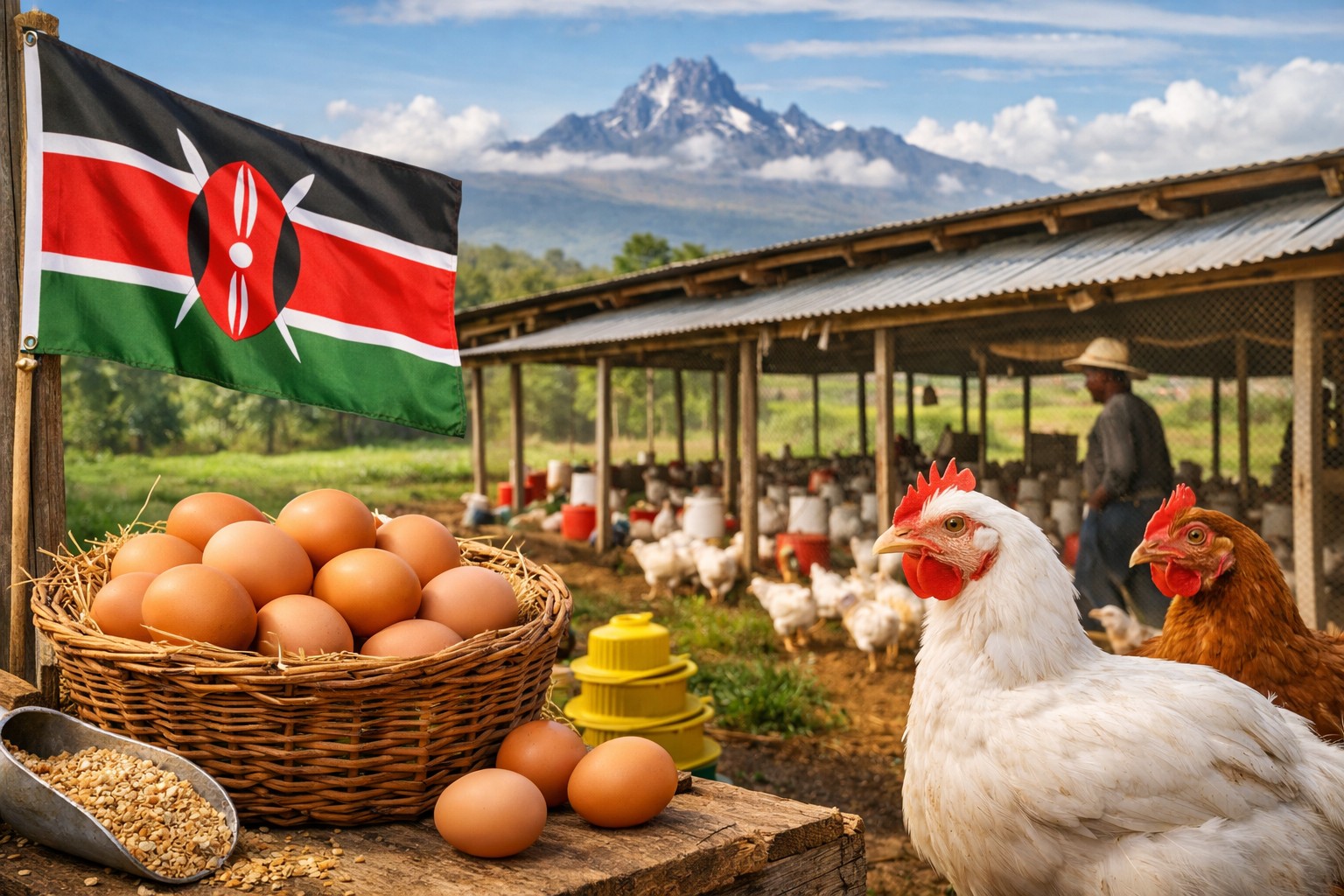
Poultry farming in Kenya continues to be one of the most accessible and profitable agribusiness ventures in 2026. With rising demand for eggs, chicken meat, and poultry products from hotels, supermarkets and households, this guide will walk you through everything you need to start and grow a successful poultry business from scratch. 📈
📌 Why Poultry Farming Is a Great Business in Kenya
- High Market Demand: Eggs and chicken meat are regular staples in Kenyan diets, ensuring continuous demand.
- Short Production Cycles: Broilers mature to market weight in 6–8 weeks, providing quick returns, while layers produce eggs daily for long-term income. :contentReference[oaicite:0]{index=0}
- Scalable: You can start small and expand as you learn.
📊 Types of Poultry Farming
🥩 Broiler Chicken Farming (Meat)
Broilers are chickens raised for meat. They grow fast and are ready for sale in 6–8 weeks. Popular breeds include Cobb 500 and Ross 308 known for efficient feed conversion and rapid growth. :contentReference[oaicite:1]{index=1}
🥚 Layer Chicken Farming (Egg Production)
Layer farming focuses on producing eggs daily. Commercial layers like Isa Brown and Lohmann Brown begin laying at 18–20 weeks and can produce up to 250–300 eggs annually. :contentReference[oaicite:2]{index=2}
🐓 Kienyeji & Other Breeds
Kienyeji (indigenous) and hybrid chickens are hardy and have lower feed costs, ideal for small-scale or free-range systems. :contentReference[oaicite:3]{index=3}
📍 Step-by-Step Setup Guide
1. Conduct Market Research
Before investing, analyse:
- Local demand for eggs and chicken meat
- Who your buyers could be (households, restaurants, shops)
- Competitors and pricing in your region
2. Create a Business Plan
Your plan should include:
- Projected costs and revenues
- Number of birds you’ll start with
- Key milestones and cashflow forecast
3. Choose Your Farm Location 🏡
Pick land with good water access, easy access to markets, and minimal risk of flooding. Ensure space allows for future expansion.
4. Build Proper Poultry Housing
Good housing protects birds from weather and predators and improves productivity:
- Ensure adequate ventilation and lighting
- Provide enough space per bird: ~1 sq ft for broilers, 1.5–2 sq ft for layers
- Use deep litter or cage/battery systems for layers
More on housing best practices at Wikipedia Poultry Farming Overview.
5. Purchase Chicks
- Broiler day-old chicks – ideal for meat production
- Day-old pullets or point-of-lay pullets for egg production
- Kienyeji chicks for hardy and free-range systems
6. Feed & Nutrition 🥣
Feed accounts for the largest percentage of total costs. Provide quality starter, grower, and finisher feeds to ensure strong growth and production. Balance your nutritional strategy with protein, energy, vitamins, and minerals. :contentReference[oaicite:4]{index=4}
7. Health & Vaccination Schedule
Maintain strict vaccination and disease prevention routines to protect your flock from common diseases such as Newcastle, Gumboro, and coccidiosis. Biosecurity is crucial — restrict access to the farm, disinfect regularly, and educate your team. :contentReference[oaicite:5]{index=5}
💰 Startup Costs & Budgeting
Small-Scale Example (100–200 Birds)
- Housing & Setup: KSh 15,000 – 35,000
- Chicks: KSh 12,000 – 25,000
- Feed (first month): KSh 8,000 – 15,000
- Vaccines & Medicines: KSh 5,000 – 12,000
- Equipment: KSh 8,000 – 18,000
Total setup can range from ~KSh 57,000 – 117,000 for 200 birds depending on breed and housing type. :contentReference[oaicite:6]{index=6}
Medium Commercial Scale (500 Birds)
- Poultry house: KSh ~150,000
- 500 chicks: ~KSh 75,000
- Feed (3 months): ~KSh 120,000
- Equipment: ~KSh 50,000
- Vaccinations & Licenses: ~KSh 30,000
Total estimated startup ~KSh 470,000 for 500 birds. :contentReference[oaicite:7]{index=7}
📈 Profit & Revenue Potential
Revenue streams in poultry farming include:
- Egg sales — daily income from layers
- Broiler meat — bulk sales after 6–8 week cycles
- Spent layers — selling older hens for meat
- Manure — organic fertiliser demand
With efficient management, moderate scale operations can turn significant profits, especially when combined with good marketing and cost management. :contentReference[oaicite:8]{index=8}
📦 Marketing & Sales Strategies
- Direct Sales: Sell directly to households, butcheries, and shops
- Bulk Contracts: Supply hotels, restaurants and institutions
- Online & Social Platforms: Use local marketplaces and social media to reach more buyers
👩🌾 Best Management Practices
- Monitor feed conversion ratios to reduce costs
- Record production metrics (egg counts, growth rates)
- Train staff on health checks and hygiene
- Rotate flocks and plan for downtime between batches
📍 Helpful External Resources
Starting a poultry farm in Kenya in 2026 is both achievable and profitable if you plan well, manage costs, and focus on quality. With the right strategy, your poultry business can grow from a small side hustle to a major source of income. 🚀
Gallery
Related Articles
3 articles
How to Make Money While Sleeping in Kenya (2026)
Discover proven passive income ideas in Kenya that earn you money 24/7, even while you sleep. Learn realistic strategies, tools, and income potential.

Best Side Hustles for Students in Kenya (2026 Guide)
Discover the best side hustles for students in Kenya. Learn how to earn money online and offline with low capital and flexible schedules.

Trending Businesses in Kenya Right Now (2026 Guide)
Discover trending businesses in Kenya right now in 2026. Learn profitable ideas, startup costs, and how to succeed in today’s evolving economy.