
Titus Morebu
Author
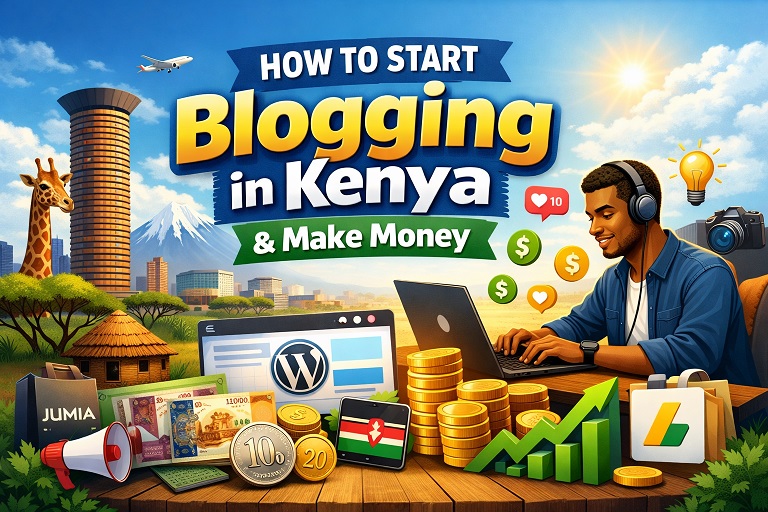
How to Start Blogging in Kenya and Make Money (2026 Guide)
Discover step-by-step how to launch a profitable blog in Kenya, pick a niche, grow traffic, and earn money online.
📘 How to Start Blogging in Kenya and Make Money (2026 Guide)
Blogging is a proven way to share your expertise, build authority, and earn income online — including in Kenya. In this comprehensive guide, you’ll learn how to start a blog from scratch, grow it, and turn it into a real money-making business without guesswork. Let’s go! 🚀
📌 Why Blogging Still Matters in Kenya
Even with the rise of social video and short-form content, blogs remain powerful because they are:
- Searchable and evergreen — content lives online forever and keeps attracting readers.
- Highly monetizable — through ads, affiliates, products, and more.
- Owned by you — unlike social platforms where your reach can disappear overnight.
This means your blog is a long-term digital asset that can grow in value over time. 🌱 :contentReference[oaicite:0]{index=0}
🧠 Step 1: Choose a Profitable Niche
Your niche defines your audience and monetization potential. In Kenya, some of the most profitable niches include:
- Personal finance & investing – budgeting tips, savings, loans
- Tech & gadgets – reviews, tutorials
- Travel & lifestyle – local guides and tips
- Health & fitness – wellness tips, nutrition
- Food & recipes – especially local cuisine
Pick a topic you’re passionate about and where problems exist that people are willing to pay to solve. :contentReference[oaicite:1]{index=1}
💻 Step 2: Pick Your Domain & Hosting
Your domain is your blog’s address (e.g., www.yourblog.co.ke). For Kenyan audiences, a .co.ke domain helps with SEO, while a .com works well for global reach.
Expected costs to get started:
- Domain name: ~Ksh 1,000–1,500 per year
- Web hosting: ~Ksh 3,000–6,000 per year for shared plans
You can buy domains and hosting from reliable providers like Kenya Web Experts or Truehost Cloud. :contentReference[oaicite:2]{index=2}
🛠️ Step 3: Install WordPress
WordPress is the most popular platform for bloggers because it’s easy to use and highly scalable. Most hosts offer 1-click WordPress installation, so you won’t need coding skills. Once installed:
- Select a clean, mobile-friendly theme.
- Install essential plugins for SEO and performance.
Popular free themes include GeneratePress and Astra. Avoid heavy themes that slow site speed. :contentReference[oaicite:3]{index=3}
📄 Step 4: Configure Essential Settings
Before you start posting, configure these WordPress settings:
- Permalinks: Set to SEO-friendly URLs (Post name).
- Homepage: Create a static homepage and blog page.
- SEO plugin: Use Yoast or Rank Math to optimize content.
✍️ Step 5: Create High-Quality Content
Content is currency online. Focus on:
- Pillar content: In-depth articles that solve major problems in your niche.
- Regular posts: Publish consistently — at least 1–2 articles per week.
- SEO optimization: Research keywords and write for people first, search engines second.
Helpful articles that answer specific questions tend to attract organic search traffic. 📈 :contentReference[oaicite:4]{index=4}
📣 Step 6: Promote Your Blog
Traffic is the lifeblood of blogging revenue. Promote your blog by:
- Sharing on social media platforms like X, Facebook, and LinkedIn.
- Engaging in online communities related to your niche.
- Building an email list to retain readers.
Your content won’t go far without distribution — promotion is key. 🚀
💰 Step 7: Monetize Your Blog
Here’s how Kenyan bloggers earn money online:
1. Display Advertising
Join Google AdSense once you have quality content. Earnings depend on views — typical figures range from a few thousand to over Ksh 50,000+ per month as traffic scales. :contentReference[oaicite:5]{index=5}
2. Affiliate Marketing
Promote products and earn commissions. Examples include Jumia and Amazon affiliate programs. Link naturally within relevant posts. 💸
3. Sponsored Posts & Brand Deals
Companies pay you to write content about their products or services. Sponsored posts can bring Ksh 5,000+ per item for established blogs. :contentReference[oaicite:6]{index=6}
4. Digital Products & Services
Sell eBooks, online courses, coaching, or consulting. Use payment gateways like Pesapal, Flutterwave or Paystack that support M-Pesa to collect payments in Kenyan shillings.
📊 Realistic Income Expectations
Blog income varies widely. As you grow traffic and diversify monetization:
- Beginners: ~Ksh 10,000–30,000/month
- Intermediate: ~Ksh 30,000–80,000/month
- Established: ~Ksh 80,000+ per month
These figures depend on niche, audience, content quality, and monetization strategy. :contentReference[oaicite:7]{index=7}
📅 Timeline to Success
Blogging takes patience:
- 0–3 months: Setup, first 10–20 posts, SEO learning.
- 3–6 months: Start seeing organic traffic.
- 6–12 months: Apply for ad networks, join affiliates.
- 12+ months: Monetization scales as audience grows.
Consistency wins — blogs compounded over time are more profitable than blockbuster posts. 📆
📍 Final Tips for Kenyan Bloggers
- Focus on solving real problems your audience faces.
- Write for people first — SEO second.
- Track analytics to see what readers love most.
- Diversify income sources early.
With the right strategy, blogging in Kenya can go from a hobby to a full-time business. Start today with one step: publish your first post. 🎯
External resources you might find helpful:
Gallery
Related Articles
3 articles
Make Ksh 500–2,000 Daily in Kenya (2026 Guide)
Discover proven ways to earn Ksh 500–2,000 daily in Kenya using your phone or skills. Real methods, realistic income, and beginner-friendly tips.

10 Daily Income Hustles You Can Start Anywhere in Kenya
Discover 10 practical daily income hustles in Kenya you can start anywhere with little capital and earn consistently using skills, internet, or simple tools.

Build a Personal Brand in Kenya (2026 Guide)
Learn how to build a powerful personal brand in Kenya using proven strategies, social media, and local opportunities to grow your influence and income.