
Titus Morebu
Author
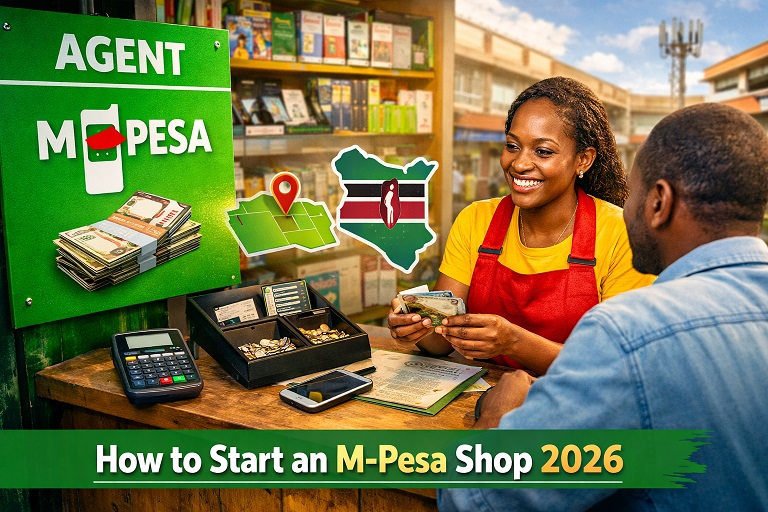
How to Start an M-Pesa Shop in Kenya: Step-by-Step Guide 2026
Learn the exact steps, requirements, costs, and tips to launch a successful M-Pesa agent shop in Kenya in 2026.
🚀 How to Start an M-Pesa Shop in Kenya: Step-by-Step Guide 2026
Thinking of starting an M-Pesa shop in Kenya in 2026? This guide walks you through every step — from requirements and registration to capital, setup and earning potential. Whether you’re an entrepreneur or small business owner, you’ll get practical insights to succeed in the expanding digital financial services market. 💼📲
🔎 What is an M-Pesa Shop?
An M-Pesa shop (also called an M-Pesa agent outlet) is a physical location where customers can make deposits, withdraw money, register for M-Pesa services, and perform other related transactions on behalf of Safaricom. These shops play a vital role in financial inclusion across Kenya.
As digital payments continue to grow, M-Pesa agents serve communities by offering quick and reliable cash-in/cash-out services. Linking business services, partnerships, and community trust helps make this a profitable venture. 📈
📌 Benefits of Starting an M-Pesa Shop
- Steady Revenue Streams: Earn commissions on deposits, withdrawals and transaction services.
- High Demand: Cash services remain essential for many customers, especially in rural and peri-urban areas.
- Community Value: You support local financial access, boosting your business reputation.
- Business Growth: Opportunity to add other services like bill payments, airtime sales, and banking services.
📋 Step 1: Meet the Basic Requirements
To qualify as an M-Pesa agent, you must satisfy the following:
- Company Registration: Your business must be a registered limited company or equivalent. 📑
- Operating Outlets: At least three outlets ready to offer M-Pesa services under your company name. 🏪
- Trading History: Your business must have been in operation for at least six months — demonstrating stability. ⏳
- Site Audit: All proposed outlets are typically inspected before starting operations. ✔️
- Location Eligibility: Only outlets in identified opportunity areas will be approved. 🌍
Many businesses start by partnering with a larger authorized agent if they don’t immediately meet all formal criteria. That can be a fast way to begin offering M-Pesa services while building your credentials. 💡
For more on business registration requirements, visit Safaricom Official and the relevant forms and portals. 📄
💰 Step 2: Calculate Your Startup Capital
Startup capital for an M-Pesa shop varies depending on location, size of operations, and equipment needed:
- Business Registration Fees: Standard government registration costs. 🏛️
- Float Capital: You need float (cash reserves) for customer transactions; typically significant enough to handle daily cash flows. 💵
- Equipment & Setup: Computers, printers, internet connectivity and signage. 🖥️
- Branding & Marketing: Signage, shop fit-out, and customer outreach materials. 🎨
Tip: It’s wise to prepare at least a basic financial plan outlining expected costs and break-even projections before applying. 📊
📝 Step 3: Complete the Application
Once your business and outlets meet the eligibility criteria, gather the necessary documents and complete the M-Pesa agent application. Common documents include:
- Certificate of incorporation or business registration documents.
- Valid business permits.
- Company profile and list of outlets.
- Identification documents of business owners or administrators.
Ensuring all paperwork is filled out accurately and professionally increases your chances of quick approval. 🖋️
📲 Step 4: Training, Float & Opening
After approval:
- Training: You’ll go through agent onboarding and system training. 🎓
- Float Allocation: Deposit your float into the required accounts so you’re ready for customer deposits and withdrawals. 💰
- Launch Your Shop: Setup should include clear signage, secure cash storage, and staff ready to serve customers. 🚀
📊 Step 5: Running Your M-Pesa Shop Efficiently
Once your shop is live, focus on:
- Customer Service: Friendly, reliable service builds loyalty. 🤝
- Float Management: Keep adequate float; contact super-agents if you need quick float top-ups.
- Compliance: Adhere to Anti-Money Laundering (AML) and Know Your Customer (KYC) regulations to protect your business and customers. 🔒
- Marketing: Inform customers of your services and rates through local advertising and social media. 📣
📈 Earning Potential and Business Growth
Your income depends on transaction volumes, commission structures, and added services like bill payments, airtime sales, and merchant services. While earnings vary by location and customer traffic, successful agents often expand operations by adding more outlets or related financial services. 💼📈
📌 Final Tips for Success
- Keep detailed financial records and float reports.
- Train staff thoroughly on customer service and compliance.
- Stay updated with Safaricom policy changes and service offerings.
- Consider adding complimentary services such as airtime resale and merchant payment solutions. 💡
Starting an M-Pesa shop in 2026 requires planning, capital, and compliance, but with the right approach, it can become a sustainable business serving your community’s financial needs. 🌟
Gallery
Related Articles
3 articles
How to Make Money While Sleeping in Kenya (2026)
Discover proven passive income ideas in Kenya that earn you money 24/7, even while you sleep. Learn realistic strategies, tools, and income potential.

Best Side Hustles for Students in Kenya (2026 Guide)
Discover the best side hustles for students in Kenya. Learn how to earn money online and offline with low capital and flexible schedules.

Trending Businesses in Kenya Right Now (2026 Guide)
Discover trending businesses in Kenya right now in 2026. Learn profitable ideas, startup costs, and how to succeed in today’s evolving economy.