
Titus Morebu
Author
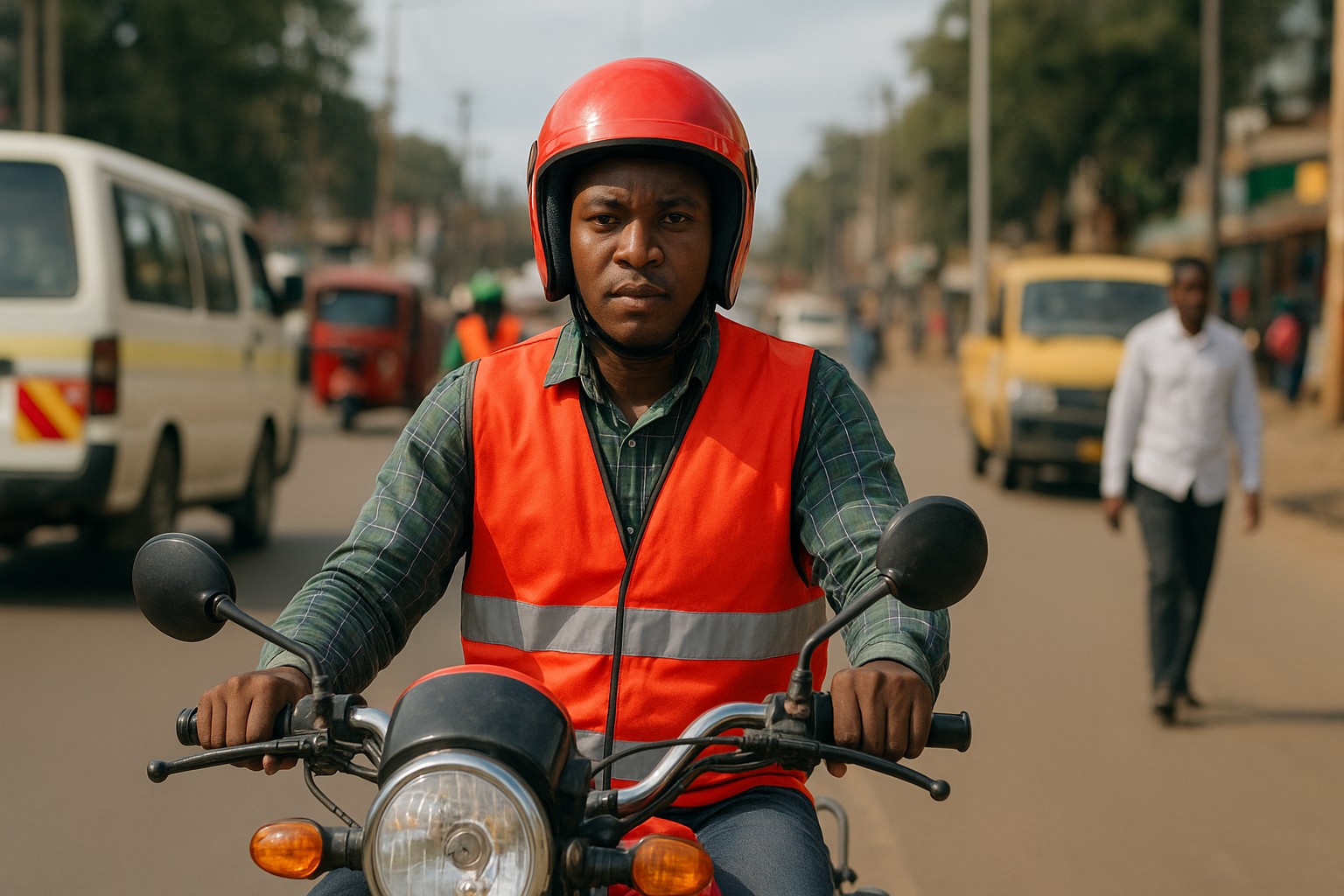
How to Become a Successful Boda Boda Rider in Kenya 🚀
Discover key steps, legalities, earnings tips, safety standards and business strategies to thrive as a boda boda rider in Kenya.
How to Become a Successful Boda Boda Rider in Kenya 🚦
Are you thinking of becoming a boda boda rider in Kenya and making it a sustainable income source? This comprehensive guide will walk you through every step—from legal requirements to earning strategies, safety, being professional and scaling your business. Whether you’re in Nairobi, Kisumu, Mombasa or any county, these insights speak to your success.
1. Understand the Business & Why It’s Viable
The boda boda (motorcycle taxi) sector in Kenya has grown rapidly over the last decade. It fills vital transport gaps, especially in urban and peri-urban areas where roads are narrow, traffic is heavy and conventional taxis/matatus may be less flexible.
Key reasons it remains viable:
- High demand for last-mile transport and fast movement in cities.
- Low barrier to entry relative to other transport businesses.
- Opportunity to earn daily income — start quickly and build over time.
- Possibility to scale: become owner-rider, join tech platforms, or manage a fleet.
That said, success is not automatic—it requires compliance, discipline, professionalism and business savvy.
2. Meet the Legal & Regulatory Requirements ✅
Before you ride, ensure you are fully compliant with Kenyan law and local county rules. Non-compliance risks fines, impounding of your bike, or loss of business.
2.1 Rider Licensing
You must hold a valid motorcycle driving licence (Class A) and ideally be registered as a commercial rider if your county mandates it. You’ll also need a certificate of good conduct and insurance for your passenger service. Recent reforms require riders to register with the stage (base) and to wear a uniform. :contentReference[oaicite:0]{index=0}
2.2 Motorcycle & Equipment Compliance
Your bike must have a valid log-book, be properly insured (at least third-party or commercial cover), display number plates, have reflectors and comply with the county’s stage regulations. For example, platforms like :contentReference[oaicite:1]{index=1} require a bike from 2017 or newer and two helmets for driver and passenger. :contentReference[oaicite:2]{index=2}
2.3 Stage/Sacco Registration & County Regulation
The sector is being formalised: riders must now belong to a registered SACCO, operate through a mapped stage and adhere to uniform and identification standards. :contentReference[oaicite:3]{index=3}
3. Choose the Right Motorcycle & Finance Smartly
Your choice of bike and financing will significantly affect your profitability and risk.
3.1 Bike selection
- Choose a model known for durability and good resale value. Brands used commonly include TVS, Boxers, etc. :contentReference[oaicite:4]{index=4}
- Engine capacity: many riders opt for 100–125cc for better fuel economy; but terrain may require 150cc or more. :contentReference[oaicite:5]{index=5}
- Check spare‐parts availability and maintenance cost in your region.
3.2 Financing & cost considerations
Many new riders don’t have full capital upfront and use loans/asset financing. Be careful: high repayments reduce your net income. Create a cost plan covering bike purchase, licence, insurance, stage fees and maintenance. :contentReference[oaicite:6]{index=6}
3.3 Ownership vs rental vs lease
You can ride a bike you own, lease one (owner lets you use it in return for daily/weekly payments) or be hired by an owner. Ownership gives highest potential returns but also highest risk. Rental/lease reduces risk but also your net earnings.
4. Master Daily Income & Business Strategy
Riding well is only half of success. Treat the boda business like a micro-enterprise.
4.1 Set clear goals and track income
Define how much you aim to earn daily, weekly and monthly. Track metrics: number of trips, peak vs off-peak hours, fuel consumption, maintenance costs.
4.2 Choose your working hours and location wisely
Peak times (morning rush, evenings, weekends) are higher earning. Work in high-traffic zones like near offices, markets or transit hubs. Avoid oversaturated stages unless you have a unique advantage.
4.3 Manage costs and maintenance
Fuel, tyres, servicing, and repairs cut into your earnings. Spend a little time daily to inspect the bike (tyre pressure, oil level, lights/reflectors) to avoid downtime and costly breakdowns.
4.4 Customer service & professionalism
Riders who are courteous, punctual, steady and safe get repeat customers and referrals. Save on idle time and get better rides. Training programmes for riders emphasise digital skills, communication, hygiene and professionalism. :contentReference[oaicite:7]{index=7}
5. Safety & Risk Management 🛡️
In this line of work, your safety and the passenger’s safety must be priorities—both for legal/regulatory reasons and to protect your livelihood.
- Always wear a helmet and ensure passenger has one.
- Use reflective gear/jacket if required by your county stage.
- Follow traffic rules, avoid overspeeding/overloading.
- Have valid insurance and keep log-book and licence up to date (failure may mean no payout in event of accident). :contentReference[oaicite:8]{index=8}
- Set aside emergency savings for repair/replacement in case of major accident or impoundment.
6. Build Reputation & Expand Your Business
Once you’ve gotten your footing, you can go beyond just riding to building a small business.
6.1 Join platforms & digital booking apps
Many riders now partner with ride-hailing apps or delivery platforms, increasing visibility and demand. This may require registration and compliance with stricter standards.
6.2 Upskill and differentiate
Take short courses in digital payments, customer service, financial literacy and basic bike maintenance. It helps you stand out. :contentReference[oaicite:9]{index=9}
6.3 Become owner-manager or invest in other riders
With sufficient capital and experience you can own multiple bikes, hire riders and earn via profit sharing or lease model. The shift from rider to entrepreneur is a key growth step.
7. Common Mistakes to Avoid
- Ignoring maintenance until breakdown – leads to big repair bills or downtime.
- Operating without legal compliance – risk of fines, impounding or licence cancellation.
- Poor financial tracking – income looks good until costs eat all profit.
- Working only in low-traffic areas or random hours – leads to inconsistent income.
- Overloading or unsafe riding – puts you and others at risk and damages your reputation.
8. Future Outlook & Trends
The Kenyan boda boda industry is evolving. With new regulations, technology integration and formalisation of stages, the market is shifting. Riders who adapt—by using digital payments, joining formal SACCOs, focusing on safety and professionalism—will have an edge.
For example, governments and NGOs are offering e-learning programmes to improve rider skills and industry standing. :contentReference[oaicite:10]{index=10}
Conclusion
Becoming a successful boda boda rider in Kenya is more than just hopping on a bike and picking up passengers. It requires compliance, the right motorcycle, cost-management, excellent service, safety awareness and business mindset. Start with a strong foundation, operate professionally and keep learning—and you’ll have a rewarding and sustainable income source.
Ready to ride? Get legal, gear up, map your business plan—and hit the road with confidence! 🏍️
Gallery
Related Articles
3 articles
How to Make Money While Sleeping in Kenya (2026)
Discover proven passive income ideas in Kenya that earn you money 24/7, even while you sleep. Learn realistic strategies, tools, and income potential.

Best Side Hustles for Students in Kenya (2026 Guide)
Discover the best side hustles for students in Kenya. Learn how to earn money online and offline with low capital and flexible schedules.

Trending Businesses in Kenya Right Now (2026 Guide)
Discover trending businesses in Kenya right now in 2026. Learn profitable ideas, startup costs, and how to succeed in today’s evolving economy.